


Understanding Estate Planning in New Jersey is easier with legal help—protect assets, reduce taxes, and secure your family’s future with confidence.
Estate planning represents one of the most important financial decisions you’ll make in your lifetime, yet many New Jersey residents postpone this critical process. Whether you’re just starting your career or approaching retirement, understanding the role of an estate planning attorney in New Jersey can help you protect your assets and ensure your wishes are honored.
What Is Estate Planning?
Estate planning is the process of arranging for the management and distribution of your assets after death or incapacitation. This comprehensive approach involves creating legal documents that specify how your property, finances, and personal affairs should be handled when you’re no longer able to manage them yourself.
At its core, estate planning addresses three fundamental questions: Who will receive your assets? Who will make decisions on your behalf if you become incapacitated? And how can you minimize taxes and legal complications for your beneficiaries?
Key Components of a Comprehensive Estate Plan
Wills and Testaments
A will serves as the foundation of most estate plans. This legal document outlines how you want your assets distributed after death and names an executor to manage your estate. In New Jersey, wills must meet specific requirements to be valid, including proper witnessing and notarization.
Without a valid will, New Jersey’s intestacy laws determine how your assets are distributed, which may not align with your personal wishes. This process can also create unnecessary delays and expenses for your loved ones.
Trusts
Trusts offer greater flexibility and control over asset distribution compared to wills alone. A trust is a legal arrangement where a trustee holds and manages assets for the benefit of designated beneficiaries. New Jersey recognizes various types of trusts, including revocable living trusts, irrevocable trusts, and special needs trusts.
Trusts can help avoid probate, provide privacy for your estate, and offer tax advantages. They’re particularly useful for families with minor children, individuals with special needs beneficiaries, or those seeking to minimize estate taxes.
Powers of Attorney
Financial and healthcare powers of attorney are essential documents that designate someone to make decisions on your behalf if you become unable to do so. A financial power of attorney allows your chosen agent to manage your financial affairs, while a healthcare power of attorney grants authority over medical decisions.
Advanced Healthcare Directives
Also known as living wills, these documents specify your preferences for medical treatment if you’re unable to communicate your wishes. New Jersey law recognizes these directives and requires healthcare providers to honor them when properly executed.
New Jersey-Specific Estate Planning Considerations
State Tax Implications
New Jersey has unique tax considerations that can significantly impact your estate planning strategy. While the state eliminated its estate tax in 2018, it still imposes an inheritance tax on certain beneficiaries. Understanding these tax implications is crucial for effective planning.
The inheritance tax rates vary depending on the relationship between the deceased and the beneficiary. Spouses, children, and parents are typically exempt, while other relatives and non-relatives may face tax rates ranging from 11% to 16%.
Property Laws
New Jersey follows the “equitable distribution” principle for marital property, which affects how assets are treated in estate planning. Additionally, the state’s homestead exemption and other property protections can influence your planning decisions.
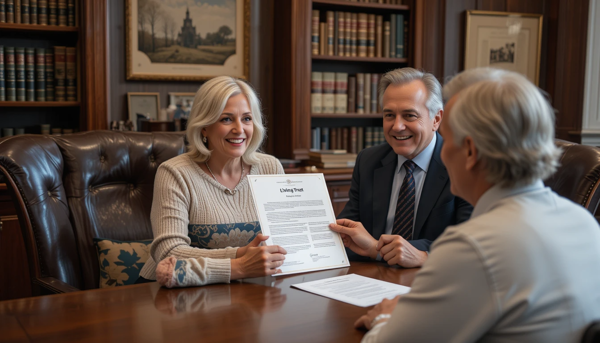
When to Consult an Estate Planning Attorney in New Jersey
Complex Financial Situations
If you own multiple properties, have business interests, or possess significant assets, professional legal guidance becomes essential. An experienced estate planning attorney in New Jersey can help navigate complex ownership structures and tax implications.
Blended Families
Second marriages and blended families present unique challenges in estate planning. Balancing the needs of current spouses with children from previous relationships requires careful legal structuring to avoid conflicts and ensure fair distribution.
Special Circumstances
Families with special needs members, those facing potential long-term care costs, or individuals with concerns about beneficiary responsibility may benefit from specialized planning strategies that require professional expertise.
The Estate Planning Process
Working with an estate planning attorney typically begins with a comprehensive review of your assets, debts, and family situation. Your attorney will help identify your goals and recommend appropriate strategies to achieve them.
The process involves drafting necessary documents, reviewing beneficiary designations on retirement accounts and insurance policies, and ensuring all components work together cohesively. Regular reviews and updates are essential as your life circumstances change.
Common Estate Planning Mistakes to Avoid
Many people make critical errors in estate planning, such as failing to update documents after major life events, neglecting to coordinate beneficiary designations with their overall plan, or attempting to create complex documents without professional guidance.
Another common mistake is procrastination. Estate planning is not just for the wealthy or elderly – unexpected events can occur at any age, making it essential to have basic documents in place regardless of your current life stage.
Key Takeaways
Estate planning is a vital process that requires careful consideration and often professional guidance. An experienced estate planning attorney in New Jersey can help you navigate state-specific laws, minimize tax implications, and create a comprehensive plan that protects your assets and honors your wishes.
The complexity of New Jersey’s legal landscape, combined with the personal nature of estate planning decisions, makes professional assistance invaluable for most individuals and families. By understanding the key components and considerations involved, you can make informed decisions about your estate planning needs and take the necessary steps to protect your legacy.
FAQs: Estate Planning in New Jersey
1. Do I need a will in New Jersey if I have kids?
Yes, a will is very important. It makes sure your kids get what you want. Without it, the state decides. It also lets you pick a guardian for your kids.
2. What is the inheritance tax rate in NJ?
New Jersey’s inheritance tax is 11% to 16%. It depends on who you are to the person who died. Usually, spouses, kids, and parents don’t pay it.
3. Why hire an estate planning lawyer in NJ?
An estate planning lawyer makes sure your plans follow New Jersey laws. They help lower taxes and avoid probate problems. They protect your family’s future.
4. What’s the difference between a will and trust?
A will goes through probate and tells who gets what. A trust avoids probate and gives more control and privacy. Trusts are best for big or complex estates.
5. When should I update my estate plan?
Update your plan after big life changes like getting married, divorced, or having a child. Also, after big financial changes. It’s good to review it every few years.