

Discover If rent is due on the 1st when is it late? Learn about late fees. When Is Rent Late If Due on the 1st? – Late Fee Guide
Does a single day really make a difference when submitting your monthly payment? Many tenants assume deadlines are flexible—until unexpected charges appear. Understanding exact cutoff times and grace period rules can save you from costly misunderstandings.
Lease agreements define payment deadlines. Most require funds by the first weekday if the 1st falls on a weekend or holiday. For example, mailing a check on the due date often doesn’t count as “on time”—it must arrive by the deadline.
Online systems simplify tracking. Automated reminders and instant confirmations help avoid delays. Still, state laws vary on late fee limits. Always review your lease for specifics about penalties and grace periods.
Key Takeaways
- Lease terms determine payment deadlines and late fees.
- Grace periods may apply but aren’t guaranteed.
- Weekends/holidays often shift deadlines to the next business day.
- Mailed payments must arrive by the due date, not just be postmarked.
- Online tools reduce delays with instant tracking.
- Clarity in your lease prevents disputes over charges.
Introduction to Late Rent and Late Fee Concepts
Financial hiccups and payment delays often trap renters in avoidable charges. Nearly 1 in 4 tenants faced late penalties in early 2023, according to federal data. Processing snags—like mailed checks arriving late or digital transfers lagging—frequently derail timely submissions.
Overview of Rent Payment Challenges
Payment methods matter. Paper checks take 2-5 business days to clear, while some e-payments delay funds for 48 hours. A CFPB report shows outstanding balances surged 60% since 2021, partly due to processing gaps.
| Lease Term | Clear Example | Unclear Example |
|---|---|---|
| Due Date | “Payment required by 5 PM on the 1st” | “Rent expected early each month” |
| Late Fee Structure | “5% of balance + $50 after 10 days” | “Penalties apply for delays” |
| Payment Methods | “Bank transfers via portal only” | “Send money when convenient” |
The Role of Late Fees in Rental Agreements
These charges recover costs from tracking payments and covering cash shortages. For landlords, they offset 12-18 hours monthly spent chasing delinquencies. Tenants benefit too—clear policies prevent surprise charges. A detailed lease acts as both shield and compass.
Modern tools help. Automated reminders and payment portals cut delays by 72%, per property management studies. Clarity in contracts builds trust, while ambiguity fuels 43% of tenant disputes.
Understanding Rental Due Dates and Grace Periods
Payment deadlines in leases function like traffic lights—green for compliance, red for penalties. Landlords set specific dates through mutual agreement, often aligning with their financial cycles. Tenants gain clarity through precise terms rather than vague expectations.

How Due Dates Are Determined
Lease contracts define payment schedules with exact phrasing. Some specify “received by 5 PM” while others note “postmarked by” deadlines. For example, Texas requires a 2-day buffer before late fees apply. This flexibility allows property owners to balance cash flow needs with tenant realities.
The Power of Grace Windows
A grace period acts as a financial cushion—typically 1-5 days—to accommodate banking delays or emergencies. New Jersey mandates 5 business days for payments, while California leaves it to landlord discretion. These windows reduce stress for both parties and cut payment disputes by 31%, according to housing advocates.
Clear deadlines paired with reasonable buffers create stability. Tenants avoid surprise charges, while landlords maintain consistent income streams. Always verify state rules and lease terms to navigate these timelines confidently.
if rent is due on the 1st when is it late
The definition of “late” varies based on how landlords track payment completion. Contracts often specify whether timeliness depends on initiation, receipt, or clearance of funds. A check mailed on the 1st might arrive days later—missing deadlines despite good intentions.
Defining Late Rent and Payment Timelines
Three stages determine lateness:
| Stage | Impact | Example |
|---|---|---|
| Initiation | Tenant starts transaction | Online transfer begun at 11 PM on the 1st |
| Receipt | Landlord gets funds | Check arrives on the 3rd |
| Clearance | Funds become usable | E-check clears after 2 business days |
Leases with “due first” clauses usually require cleared payments by the deadline. Delays at any stage risk penalties.
When the Payment Is Considered Late
Mailed checks face postal delays. Digital transfers can stall during weekends. A 2023 study found 29% of late fees stem from processing lags, not tenant negligence.
Most agreements allow 1-3 days before fees apply. However, some charge immediately after midnight on the 2nd. Always confirm whether “received by” means physical possession or bank confirmation.
Landlords in 12 states must provide written grace periods. Others follow lease terms strictly. Clarify these details upfront to avoid disputes over what counts as delinquent.
State Laws and Local Regulations on Late Fees
Navigating the maze of state-specific rental laws requires precision. While some regions enforce strict grace periods, others let landlords set their own rules. This patchwork of regulations impacts how penalties apply and what tenants can expect nationwide.
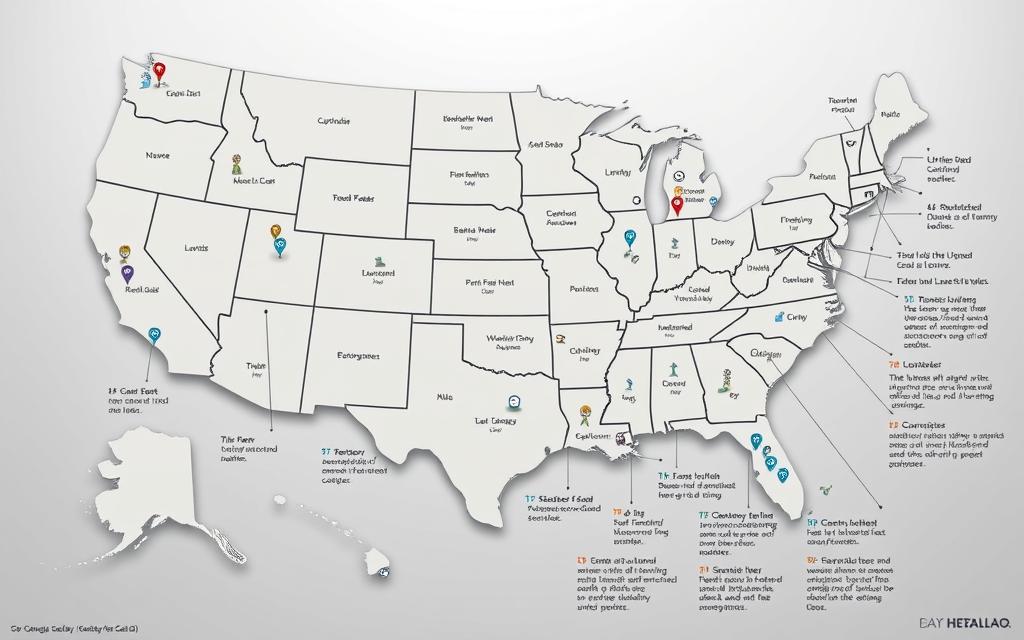
Mandatory Grace Periods in Various States
Texas demands a 2-day buffer before charging fees—payments become delinquent on the 3rd. California allows cities like West Hollywood to enforce 5-day windows. New York permits fees immediately after the due date unless local laws override this.
Regulatory Limits on Late Fee Amounts
Fee caps vary wildly. Arkansas limits penalties to $10 or 10% of monthly payments, whichever is higher. Colorado ties maximums to 5% of the owed amount. Chicago uses a tiered system: $10 for the first $500, plus 5% beyond that threshold.
Landlords must align agreements with these rules. A New York lease charging 8% fees could face legal challenges. Clear contracts prevent 72% of disputes, according to housing authorities. Always verify municipal codes—they sometimes override state guidelines.
Effective Late Fee Policies for Landlords
Clear policies prevent 68% of tenant disputes, according to property management surveys. Successful strategies combine precise lease language with modern tools that streamline transactions. This approach protects both parties while maintaining consistent cash flow.

Creating Clear Lease Agreements
Detailed contracts eliminate guesswork. Specify exact deadlines like “cleared funds by 5 PM” rather than vague terms. Include late fee amounts, grace periods, and accepted payment methods. Collecting the first month’s payment plus a security deposit creates immediate accountability.
Example clauses work best. “A $75 charge applies after 3 days” leaves no room for confusion. Avoid phrases like “reasonable penalties” that invite arguments. Tenants appreciate knowing rules upfront—transparency builds trust.
| Policy Area | Traditional Approach | Tech-Driven Solution |
|---|---|---|
| Payment Tracking | Manual check deposits | Real-time digital records |
| Fee Enforcement | Spreadsheet calculations | Automated late fee triggers |
| Tenant Communication | Phone call reminders | Scheduled email/SMS alerts |
Leveraging Technology for Timely Payments
Platforms like Baselane automate critical tasks. Tenants receive payment reminders 5 days before deadlines. Funds transfer instantly, eliminating clearance delays. Landlords gain dashboards showing real-time statuses.
Auto-charges simplify collections. Set systems to apply fees after grace periods expire. This removes awkward conversations while enforcing rules fairly. Digital logs also provide legal proof if disputes arise.
Professional communication matters. Send monthly statements highlighting due dates. Use neutral language like “Upcoming obligation” instead of demands. A business-focused approach maintains positive relationships while ensuring compliance.
Best Practices for Timely Rent Payments
Consistency in monthly payments hinges on shared responsibility. Landlords and tenants both play roles in maintaining smooth transactions. Proactive habits and modern tools create predictable outcomes for everyone involved.

Strategies for Property Owners
Automated reminders reduce forgetfulness. Platforms like Baselane send alerts 3 days before deadlines. Offer small perks—discounted parking or laundry credits—for three consecutive on-time submissions.
Digital tracking simplifies oversight. Real-time dashboards show cleared payments instantly. This eliminates “check’s in the mail” excuses while building accountability.
Guidance for Residents
Set calendar alerts two days ahead of due dates. Allocate funds weekly—$200 saved each Friday covers a $800 obligation. Always review lease terms about grace periods and clearance timelines.
Open communication prevents issues. Notify landlords immediately if emergencies arise. Many offer flexible arrangements for reliable payers facing temporary setbacks.
Technology bridges gaps. Mobile apps split payments across paychecks automatically. Sync these with bank balance alerts to make sure funds stay available.
Overview of Eviction Processes for Chronic Late Payments
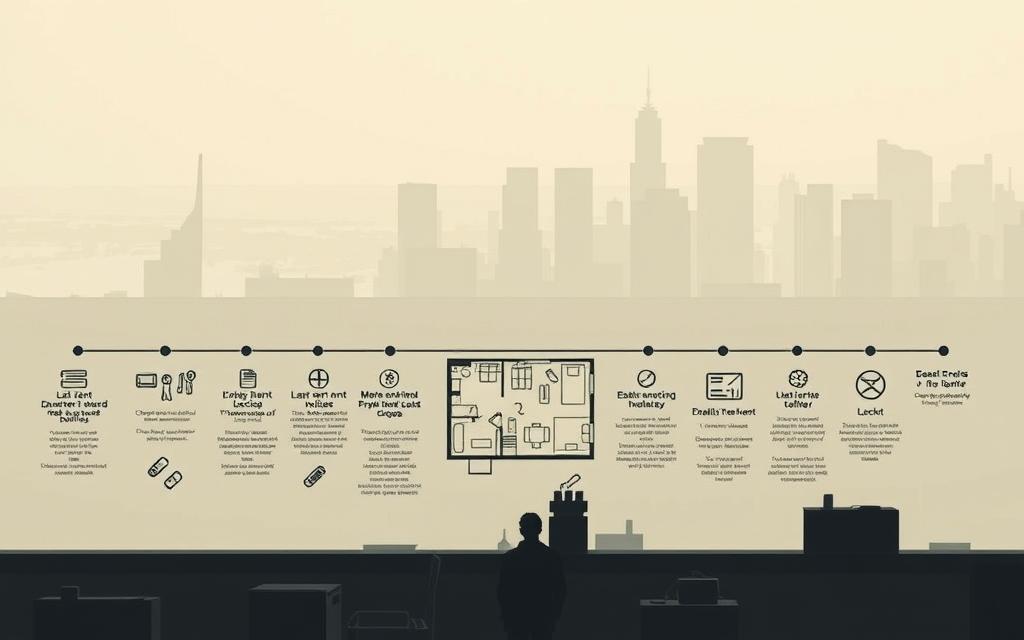
Repeated payment delays can escalate into legal battles with lasting consequences. Landlords often start with a 3-Day Notice to Pay or Quit—the first formal step toward reclaiming a property. Tenants face credit damage if evictions appear on records, complicating future housing applications.
When to Consider Legal Action
Courts require strict documentation for evictions. Landlords must prove multiple missed payments and provide written notices. Legal timelines exclude weekends and holidays—a notice served Friday extends deadlines to Tuesday.
| Step | Timeline | Documentation Needed |
|---|---|---|
| 3-Day Notice | 3 business days | Lease agreement, payment history |
| Court Filing | 5-10 days after notice | Proof of notice delivery |
| Hearing | 14-21 days post-filing | Bank statements, communication logs |
Alternatives to Eviction for Hardship Cases
Cash for Keys agreements offer voluntary move-outs in exchange for waived fees. Some landlords create payment plans—$200 weekly until balances clear. These options prevent credit harm while resolving disputes amicably.
Emergency rental assistance programs sometimes cover arrears. Always confirm deadlines—many require applications by the 15th day month. Open communication preserves relationships better than court battles.
Conclusion
Clarity in rental agreements protects both landlords and residents. Defining precise deadlines, grace periods, and fee structures prevents misunderstandings. Tools like automated reminders and digital portals reduce delays—studies show they cut late payments by over 70%.
Lease terms should specify exact amounts and cutoff times. For example, a payment marked “received by 5 PM” avoids confusion compared to vague phrases. State laws often cap penalties, so aligning contracts with local rules is essential. Explore when payments become delinquent to stay compliant.
Monthly obligations require proactive planning. Tenants benefit from calendar alerts and splitting costs across paychecks. Property owners gain reliability through transparent notices and tech-driven tracking. Together, these steps minimize disputes while maintaining positive relationships.
Ultimately, success hinges on communication. Address potential issues early, whether adjusting deadlines or clarifying terms. This collaborative approach ensures time-sensitive obligations stay manageable for everyone involved.