

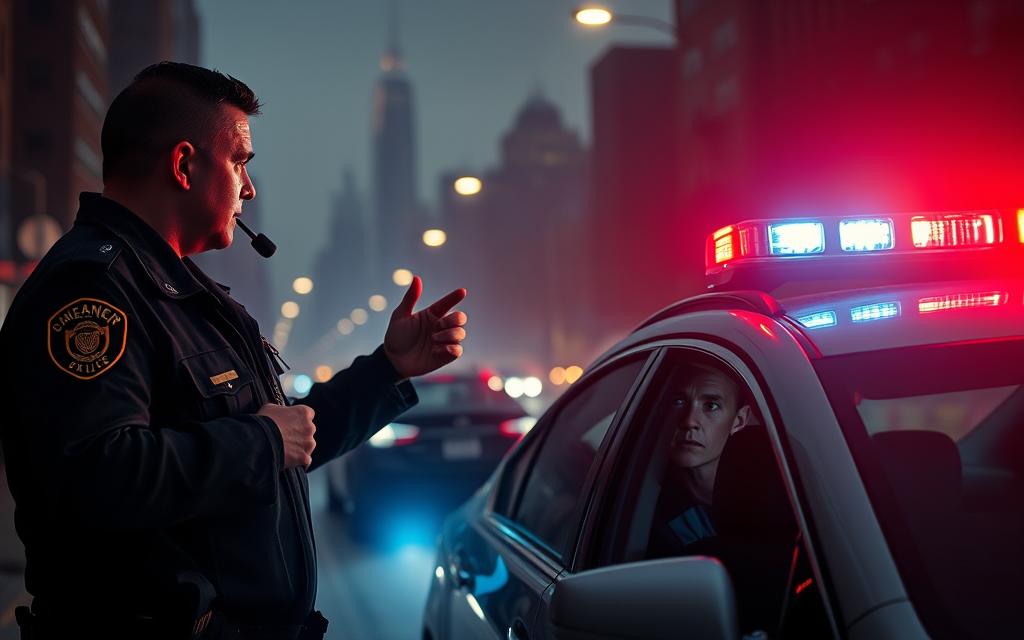
In New York, 35% of drivers arrested for drunk driving say no to chemical tests. This shows how important it is to know about DWI refusal. When asked for a test, drivers face a tough legal situation with big consequences.
Choosing not to take a test in New York is a big deal. Police need drivers to take chemical tests under the state’s laws. Saying no to a breathalyzer or blood test can lead to big penalties, not just a simple ticket.
Understanding DWI refusal in New York is key. Drivers need to know that saying no can mean losing their license, big fines, and even criminal charges. This is true, even if they’re not drunk.
Key Takeaways
- Refusing a chemical test in New York carries significant legal consequences
- Automatic license suspension is a primary penalty for test refusal
- Drivers face both administrative and possible criminal penalties
- Chemical test refusal can be used as evidence in court proceedings
- Understanding implied consent laws is vital for New York drivers
Understanding DWI Refusal in New York
Understanding Refusing Breath Test NY is key. It’s about knowing the laws around chemical tests. When stopped for drunk driving, drivers must make quick choices that affect their case.
Definition of DWI Refusal
A DWI refusal happens when a driver won’t take a chemical test after being asked by police. In New York, this choice leads to big legal problems. Drivers must take tests as part of the state’s laws.
- Refusal can happen during breathalyzer, blood, or urine tests
- The decision to refuse is made in the moment of being pulled over
- Refusal is different from failing a chemical test
Legal Implications of Refusing a Test
Refusing a Breath Test in New York has serious legal effects. Drivers might lose their license, even if they weren’t drunk. The NYS DMV Refusal Penalty includes penalties that can affect driving rights.
- Automatic license suspension for at least one year
- Potential fines up to $500
- Mandatory hearing with the Department of Motor Vehicles
Drivers should know that refusing can hurt their case in court. It can make things harder for them.
The Role of Implied Consent in New York
Driving in New York has rules you might not know. Implied Consent NY DWI laws are key for how drivers deal with police at stops.
When you get a New York driver’s license, you agree to certain rules. This means drivers agree to tests if police think they’ve been drinking.
Overview of Implied Consent Laws
The implied consent law in New York is clear:
- Drivers agree to tests when they get a license
- Not taking the test can lead to big penalties
- The law covers breath, blood, and urine tests
Consequences of Ignoring Implied Consent
Drivers who ignore implied consent face big problems. NY DUI Test Rights include:
- License taken away
- Big fines
- Possible criminal charges
Knowing these laws helps drivers make smart choices during stops and keeps their rights safe.
Types of Tests Involved in DWI Cases
Chemical test laws in NY give cops many ways to check if a driver is too drunk to drive. These tests are key in DWI Blood Test Refusal NY cases. They help cops figure out if a driver is okay to drive during stops.
- Breathalyzer Tests
- Blood Tests
- Urine Tests
Breathalyzer Tests
Breathalyzer tests are often used on the side of the road. They measure alcohol in your breath. Police use them to quickly see if you might be drunk.
Blood Tests
Blood tests are the most accurate way to check for alcohol and drugs. Doctors take blood in a safe place. Refusing a blood test in NY can lead to big legal problems.
Urine Tests
Urine tests find out if you’ve used drugs recently. They’re not as good as blood tests but are less invasive. They help find drugs that breath tests can’t.
| Test Type | Accuracy | Primary Purpose |
|---|---|---|
| Breathalyzer | Moderate | Immediate BAC screening |
| Blood Test | High | Precise BAC and drug detection |
| Urine Test | Low to Moderate | Drug use detection |
Knowing about these tests can help drivers make smart choices during DWI stops.
Penalties for Refusing a DWI Test
Refusing a DWI test in New York has big consequences. It can hurt your driving rights and wallet. The rules are strict to discourage drivers from refusing tests.
Refusing a DWI test leads to many penalties. These affect your legal status and personal life.
Administrative Penalties
The first penalties for refusing a DWI test are:
- Automatic license suspension for at least one year
- Civil penalty of $500 for first-time offenders
- Potential mandatory driver responsibility assessment fees
Criminal Consequences
Refusing a DWI test also has criminal penalties. These can include:
- Potential misdemeanor charges
- Possible jail time
- Criminal record that impacts future opportunities
Increased Insurance Rates
Refusing a DWI test also raises your insurance rates. Insurance companies see it as risky. This can make your rates go up a lot.
| Offense | License Suspension | Civil Penalty |
|---|---|---|
| First Refusal | 1 year | $500 |
| Subsequent Refusal | 18 months | $750 |
Understanding these penalties shows why it’s so important to think carefully during a DWI stop.
The Process After a DWI Refusal
When a driver refuses a DWI test in New York, a complex legal process starts. This process can greatly affect a person’s driving rights and legal status.
The first moments after refusing a test are very important. Police will write down the refusal and start the arrest steps. Drivers need to know their rights and what might happen next.
Arrest Procedures
During a DWI arrest without a test, officers will do a few things:
- Inform the driver of the refusal consequences
- Collect personal and vehicle information
- Conduct a preliminary roadside assessment
- Determine probable cause for arrest
Booking and Charges
The booking process for a Refusal Hearing NY includes several steps:
- Transportation to the police station
- Fingerprinting and photographing
- Completing official documentation
- Formal notification of charges
Drivers face immediate license suspension. They must ask for a DMV hearing within a certain time. The window for contesting the suspension is typically limited to 15 days from the arrest date.
Knowing these steps can help people understand the legal process after refusing a DWI test in New York.
Differences Between DWI Refusal and DWI Conviction
Understanding DWI Refusal in New York is tricky. Drivers with NY DWI Chemical Test Refusal charges need to know the big differences between refusing and being convicted.
A DWI refusal is a different legal fight than a DWI conviction. Both are big legal issues, but they have important differences:
- Legal Classification: Refusal is a civil violation
- Criminal Status: DWI conviction is a crime
- Potential Penalties: Each has its own penalties
Understanding DWI Conviction
A DWI conviction in New York means the driver was driving while drunk. The state must prove the driver was drunk. This can be shown by blood alcohol levels or signs of being drunk.
How Each Affects Your Record
The effect on your driving record is very different between DWI refusal and conviction. Refusals usually mean your license is taken away. Convictions can lead to even bigger problems:
- Potential criminal record
- Higher insurance rates
- Possible job issues
- Long-term legal problems
Drivers with NY DWI Chemical Test Refusal should get legal advice. They need to understand the differences and how to handle their case.
Potential Defenses Against DWI Refusal Charges
Facing DUI refusal jail time in New York can be scary. But, drivers have many legal defenses. Knowing your NY DUI test rights is key when fighting a refusal charge.
Understanding DWI refusal law is complex. But, skilled lawyers can help. They use different strategies to protect your rights and lessen penalties.
Constitutional Protections in DWI Cases
The Fourth Amendment protects against unfair searches and seizures. Important defense tactics might include:
- Challenging the legality of the initial traffic stop
- Questioning the probable cause for arrest
- Examining the proper administration of refusal warnings
- Investigating possible constitutional rights violations
Challenging Lack of Probable Cause
Showing there was no real reason for the stop can help avoid jail time. Good defense strategies might be:
- Looking over police reports for mistakes
- Finding differences in what officers say
- Checking video from the stop
- Looking into unfair policing
NY DUI test rights are complex. Each case needs a special plan. Talking to a skilled DWI defense lawyer can help you find the best defense for your case.
The Importance of Legal Representation
Handling a DWI Refusal New York case is tough and confusing. Getting a lawyer is key to avoid losing your license and facing criminal charges. Lawyers who know DWI cases well can help you through the Refusal Hearing NY process.
When to Hire a Lawyer
It’s important to get a lawyer fast for a DWI refusal case. It’s best to call one right after you’re charged or get a hearing notice. Getting help early can really change your case’s outcome.
- Immediately following arrest
- Before attending DMV hearing
- When facing possible license loss
- If criminal charges are coming
Benefits of Expert Legal Advice
Lawyers with DWI experience offer big advantages in Refusal Hearing NY. They can protect your rights, question evidence, and try to lessen your penalties.
| Legal Service | Potential Outcome |
|---|---|
| Evidence Review | Possible case dismissal |
| Procedural Challenge | Reduced charges |
| Negotiation | Less severe penalties |
Having a good lawyer can make a big difference in DWI Refusal New York cases.
Common Misconceptions About DWI Refusal
Understanding Refusing Breath Test NY can be tough for many drivers. Misunderstandings about Chemical Test Laws NY often lead to bad choices during traffic stops.
Many drivers have dangerous wrong ideas about chemical test refusals. These wrong ideas can really hurt their legal situation. They can make drivers feel too sure and lead to big problems.
Myths About Refusing a Breath Test
- Myth: Refusing a test automatically prevents a DWI conviction
In reality, prosecutors can try to convict you with other evidence, even if you refused the test.
- Myth: Field sobriety tests are mandatory
Drivers can say no to field tests, but saying no to chemical tests has different rules under implied consent laws.
- Myth: Breath tests are always 100% accurate
But, breathalyzer machines can make mistakes. They need to be very well set up.
Facts About Test Refusals
It’s key to know the truth about Chemical Test Laws NY. Refusing a breath test usually means:
- Your license will be taken away
- You might face more criminal charges
- It could make your legal situation even harder
Drivers need to know that Refusing Breath Test NY is risky. Talking to a lawyer can help you understand your situation better.
The Impact on Future Driving Privileges
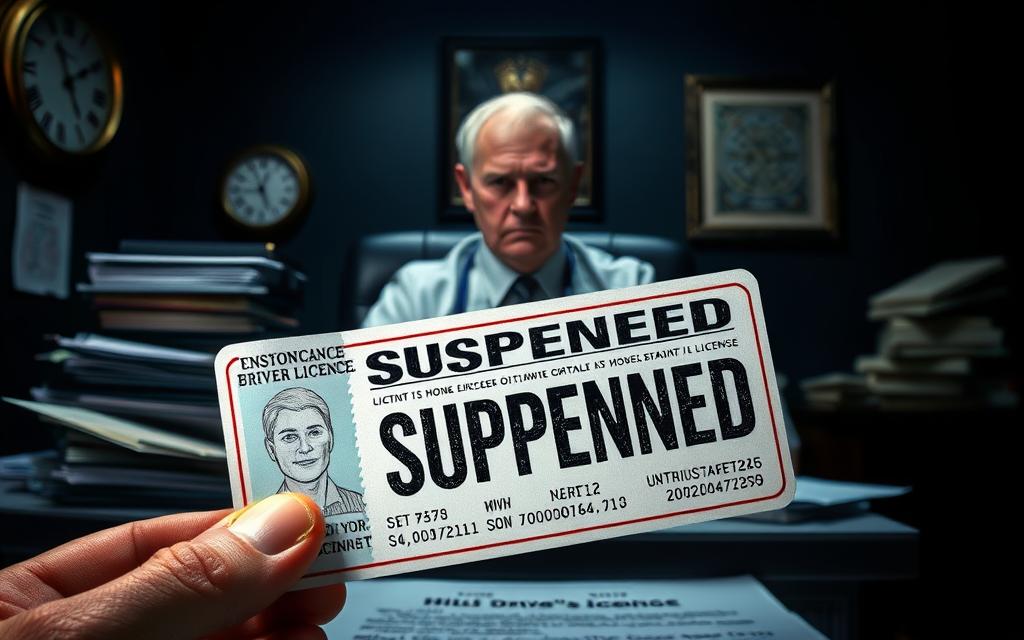
A License Suspension Refusal can change your driving future in New York State. The NYS DMV Refusal Penalty makes driving hard for those who don’t take chemical tests. This is when police think you might be driving drunk.
Refusing a chemical test means more than just a traffic ticket. The New York Department of Motor Vehicles has strict rules. These rules can stop you from driving for a long time.
License Suspension Duration
The time you can’t drive depends on your past:
- First Offense: Minimum 1-year license suspension
- Second Offense: Up to 18 months of suspension
- Third Offense: You might lose your license forever
Steps to Reinstate Your License
To get your license back, you must do several things:
- Go to a hearing with DMV
- Pay the fees to get your license back
- Show proof you’ve taken a driver improvement course
- You might need to install an ignition interlock device
Going through the License Suspension Refusal process is hard. Talking to a lawyer who knows New York’s laws can help. They can guide you and maybe lessen the long-term effects.
Alternatives to Refusing a DWI Test
Facing a DWI arrest can be stressful. But, drivers have many ways to avoid refusing a test. Knowing your NY DUI Test Rights is key. This helps protect your rights and keeps you safe.
- Ask for a medical check if you’re really sick
- Call a lawyer right away
- Stay calm and follow what the police say
Seeking Medical Attention
If you really can’t take the test because of health issues, ask for a doctor’s check. This shows you’re trying to do the right thing. It also helps your case in court.
Driving Alternatives to Prevent DWI Situations
Stopping DWI problems starts with smart travel plans. Here are some good ideas:
| Transportation Option | Advantages |
|---|---|
| Designated Driver | Free, trusted ride with someone you know |
| Ride-Sharing Services | Quick, easy, and you don’t need cash |
| Public Transportation | Good for your wallet and the planet |
Knowing your rights and having backup travel plans can lower DWI risks. This helps avoid legal trouble.
Navigating a DWI Refusal Hearing
Facing a Refusal Hearing NY can be tough for drivers. The process after refusing a chemical test needs careful steps. Knowing how these hearings work is key for those facing a First Offense Refusal NY.
The New York Department of Motor Vehicles (DMV) holds these hearings. They check if a chemical test refusal was valid. These hearings are different from criminal cases, focusing on the test refusal details.
Overview of the Administrative Hearing
At a DWI refusal hearing, important points are looked at:
- Was the traffic stop legal?
- Were the chemical test warnings given right?
- What happened when you refused the test?
- Is the incident documented well?
Preparing for Your Hearing
Getting ready well can change the outcome of your Refusal Hearing NY. Here are important steps:
- Get all important documents
- Find statements from witnesses
- See a DWI attorney
- Look over the police report carefully
| Hearing Aspect | Key Considerations |
|---|---|
| Evidence Review | Look at police reports and test records |
| Legal Representation | Good for complex First Offense Refusal NY cases |
| Potential Outcomes | License could be suspended or reinstated |
Being ready and knowing the hearing process can help protect your driving rights.
Conclusion: Making Informed Decisions
When facing a DWI refusal in New York, it’s important to think carefully. Every choice you make can affect your future driving and legal status. DWI laws in New York are complex, and quick decisions can change your life.
Knowing the consequences of refusing a test in New York is key. It helps protect your rights and avoid legal trouble. Refusing a test might seem safe, but it can lead to losing your license and facing criminal charges.
It’s wise to talk to a lawyer if you think you might face DWI charges. A lawyer who knows DWI cases can give you advice based on your situation. They can help you make the best choice for you.
The best way to avoid DWI charges is to make smart choices before driving. Plan ahead by using ride-sharing or a sober driver. Knowing the laws and choosing safety can help you and others stay safe on the road.